Why It’s So Hard to Leave a Narcissistic Relationship (And How to Start Healing)
If you’ve ever found yourself asking, “Why can’t I just leave?” after being in a toxic or narcissistic relationship, you’re not alone.
Many people believe that leaving a bad relationship should be simple. If someone hurts you, manipulates you, or constantly makes you feel small, the logical answer seems obvious: walk away.
But when narcissistic abuse is involved, it rarely feels that straightforward.
People in narcissistic relationships often feel confused, stuck, emotionally attached, and deeply conflicted. They may know the relationship is unhealthy, yet something keeps pulling them back. They might leave several times and return. They might question their own judgment or feel embarrassed that they stayed as long as they did.
Here’s the truth that many people need to hear:
Struggling to leave a narcissistic or toxic relationship is not a sign of weakness. It’s often the result of powerful emotional and psychological dynamics that develop over time.
Understanding why it feels so difficult can be an important first step toward healing and reclaiming your sense of self.

What Is a Narcissistic Relationship?
A narcissistic relationship typically involves a pattern where one partner consistently prioritizes their own needs, control, or image over the emotional well-being of the other person.
This doesn’t necessarily mean someone has been formally diagnosed with Narcissistic Personality Disorder. Instead, many people experience relationships where narcissistic traits dominate the dynamic.
Some common experiences people describe in narcissistic or toxic relationships include:
Feeling like nothing you do is ever enough
Walking on eggshells to avoid conflict
Being blamed for problems that aren’t yours
Your concerns being dismissed or minimized
Experiencing cycles of affection followed by criticism or withdrawal
Feeling confused about what is real or what actually happened
Over time, this pattern can slowly shift how someone sees themselves, their worth, and their ability to trust their own thoughts.
Why Leaving a Narcissistic Relationship Is So Hard
People often assume someone stays because they “choose” to. In reality, many emotional and psychological forces make leaving incredibly difficult.
Here are some of the most common reasons.
1. The Relationship Didn’t Start This Way
Many narcissistic relationships begin with intense connection and attention.
Early in the relationship, someone may feel deeply seen, admired, and prioritized. The partner may appear charming, attentive, and emotionally invested.
This early stage can create powerful memories of how good things once felt.
Later, when the relationship becomes more critical or manipulative, people often hold onto hope that things will return to how they were in the beginning.
You might think:
“Maybe they’re just stressed.”
“Maybe if I explain things better, they’ll understand.”
“They weren’t always like this.”
Hope can make it incredibly hard to let go.
2. Trauma Bonds Create Emotional Attachment
Many people in narcissistic abuse relationships experience what therapists call a trauma bond.
A trauma bond forms when cycles of affection and hurt become intertwined. Periods of criticism, withdrawal, or conflict may be followed by apologies, affection, or moments of connection.
This emotional rollercoaster can create a powerful attachment that feels similar to addiction.
Your brain begins to crave the moments of relief and connection that follow painful interactions.
This doesn’t mean you’re irrational.
It means your nervous system has adapted to a pattern that’s difficult to break.
3. Gaslighting Can Make You Doubt Yourself
Another reason people struggle to leave toxic relationships is gaslighting.
Gaslighting is a form of manipulation where someone repeatedly denies, minimizes, or distorts reality. Over time, this can lead someone to question their own memory, judgment, or emotions.
You might hear things like:
“That never happened.”
“You’re too sensitive.”
“You’re overreacting.”
“You’re the one causing the problems.”
When this happens repeatedly, people may begin to wonder if they’re the problem.
Self-doubt can make it much harder to trust your instinct that something is wrong.
4. Your Self-Worth May Slowly Erode
Narcissistic relationships often involve subtle or direct criticism that builds over time.
Someone might start to believe:
“Maybe I really am difficult.”
“Maybe I’m lucky they stay with me.”
“Maybe no one else would want me.”
When self-confidence has been worn down, leaving can feel terrifying.
The relationship may feel painful, but the idea of starting over can feel even more overwhelming.
5. Fear of Being Alone
Many people stay in unhealthy relationships because the fear of loneliness feels stronger than the pain of staying.
You might worry about:
Starting over
Explaining the breakup to friends or family
Dating again
Feeling like you “failed” at the relationship
These fears are incredibly common.
But often, people discover that once they begin healing, the relief of emotional safety outweighs the fear that once kept them stuck.
6. You May Still Care About the Person
One of the most confusing parts of narcissistic abuse recovery is that people often still care about the person who hurt them.
You might remember good memories, shared experiences, or moments where your partner seemed vulnerable or loving.
Feeling compassion or attachment does not erase the harm that occurred.
Both things can exist at the same time.
You can care about someone and still recognize that the relationship was unhealthy.

“You didn’t stay because you were weak. You stayed because you cared, hoped, and believed things could get better.”
Signs You May Be in a Narcissistic or Toxic Relationship
If you’re unsure whether your relationship falls into this pattern, some common signs include:
You frequently feel confused after arguments
You apologize even when you’re not sure what you did wrong
Your partner dismisses or mocks your feelings
You feel emotionally drained after interactions
Your confidence has declined since the relationship began
You feel like you’ve lost parts of yourself
Many people describe feeling like they don’t recognize themselves anymore.
That feeling can be incredibly painful, but it’s also a signal that something deeper may need attention and support.
Three Gentle Steps Toward Reclaiming Yourself
If you’re currently in or recovering from a narcissistic relationship, healing does not need to happen all at once.
Small steps can make a meaningful difference.
1. Start Rebuilding Trust in Yourself
One of the most powerful parts of recovery is learning to trust your own thoughts and feelings again.
This may look like:
Writing down how interactions actually made you feel
Talking openly with trusted friends
Not dismissing your instincts
Your experiences matter.
2. Learn About Narcissistic Abuse Dynamics
Education can be incredibly validating.
Many people feel immense relief when they begin learning about concepts like:
trauma bonding
gaslighting
emotional manipulation
Understanding these patterns helps people realize they weren’t “imagining things.”
3. Seek Support From Safe People
Healing rarely happens in isolation.
Support can come from:
trusted friends
supportive family members
community groups
therapy for narcissistic abuse recovery
Having someone listen and validate your experience can be incredibly grounding.
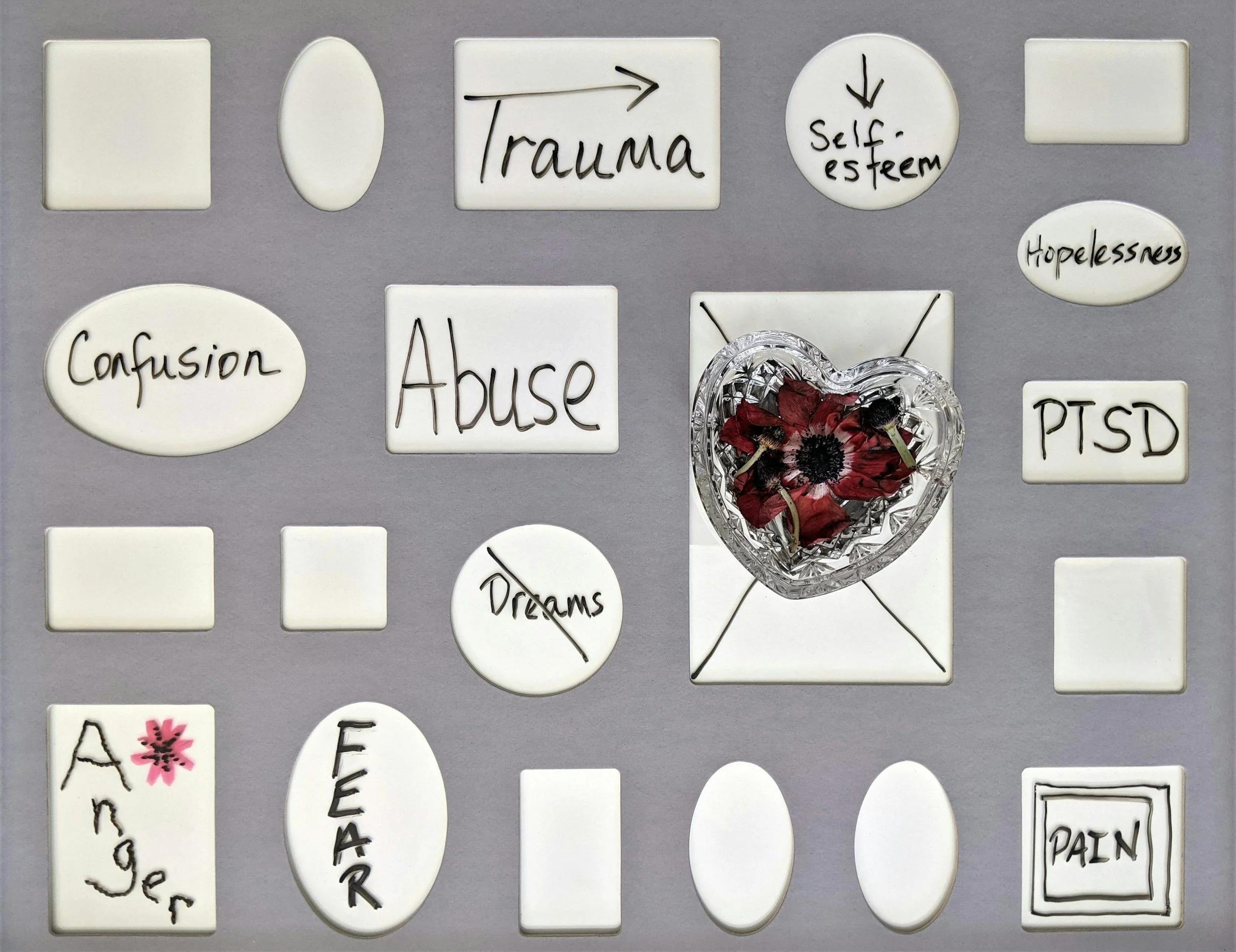
Make it stand out
You have gone through such a scary time.
You are not alone in this. Reach out today to find your support and confidence again.
How Therapy Can Help After a Narcissistic Relationship
Recovering from a narcissistic or toxic relationship often involves more than just ending the relationship.
Many people need support rebuilding confidence, processing emotional wounds, and redefining what healthy relationships look like.
At Better Minds Counseling & Services, therapists understand how complex narcissistic relationships can be.
Here are five ways therapy can help.
1. Understanding Narcissistic Abuse
A therapist can help you unpack what happened and understand the patterns that developed in the relationship.
This can help reduce self-blame and confusion.
2. Healing From Emotional Trauma
Many people experience symptoms similar to trauma after narcissistic abuse, including anxiety, hyper-vigilance, or difficulty trusting others.
Therapy can help soothe the nervous system and rebuild emotional safety.
3. Rebuilding Self-Worth
One of the most important parts of healing is reconnecting with your sense of identity and worth.
Therapy helps people rediscover who they are outside the relationship.
4. Learning Healthy Boundaries
People who leave narcissistic relationships often realize they want stronger boundaries moving forward.
Therapy provides tools for communicating needs and protecting emotional space.
5. Finding Support Through Group Therapy
Healing can feel less isolating when others understand what you’ve been through.
Better Minds Counseling & Services offers group therapy for individuals recovering from narcissistic or toxic relationships, allowing people to connect, share experiences, and support each other’s healing.
You Are Not Alone in This
Leaving or healing from a narcissistic relationship is not just about walking away.
It’s about untangling emotional patterns, rebuilding trust in yourself, and rediscovering who you are.
That takes time.
It takes support.
And most importantly, it takes compassion toward yourself.
“Healing from narcissistic abuse isn’t about becoming who you were before.
It’s about rediscovering who you were always meant to be.”
Finding Support in Virtually (in Pennsylvania, Delaware, Florida, Maryland)
If you’re navigating the aftermath of a narcissistic or toxic relationship, you don’t have to go through it alone.
Better Minds Counseling & Services offers individual therapy and group therapy for narcissistic abuse recovery, helping people understand relationship patterns, rebuild confidence, and move forward with clarity and strength.
Our therapists work with adults across several states through virtual therapy, providing compassionate support in a safe and non-judgmental space.
If you’re ready to begin healing, we’re here to help.
Start Your Healing Journey
If this blog resonated with you, it may be a sign that support could help.
Learn more about our services or schedule a consultation here.