Why Making Friends as an Adult Feels So Hard
Remember when making a friend was as simple as sharing your crayons or sitting next to someone at lunch? Somewhere between childhood and adulthood, the whole process got a lot more complicated. If you've found yourself scrolling through old photos wondering where all your friends went, or feeling a quiet ache every time someone mentions their "best friend since college," you're not alone — and you're definitely not broken.
Making friends as an adult is genuinely hard. It's not just you overthinking it or being "too picky." The structures that used to hand us friendships — school, dorm life, shared extracurriculars — disappear once we hit adulthood, and suddenly connection requires effort in a way it never did before. And when that effort doesn't pay off quickly, it's easy to start believing something is wrong with you rather than recognizing that adult friendship is just a different (and trickier) game.
In this post, we're going to talk honestly about why adult friendships are so difficult to build, how the lack of close connection can quietly erode your self-esteem and mental health, and what you can actually do about it — including how getting clear on your values can point you toward the right people, and how therapy can help you build the confidence to put yourself out there.
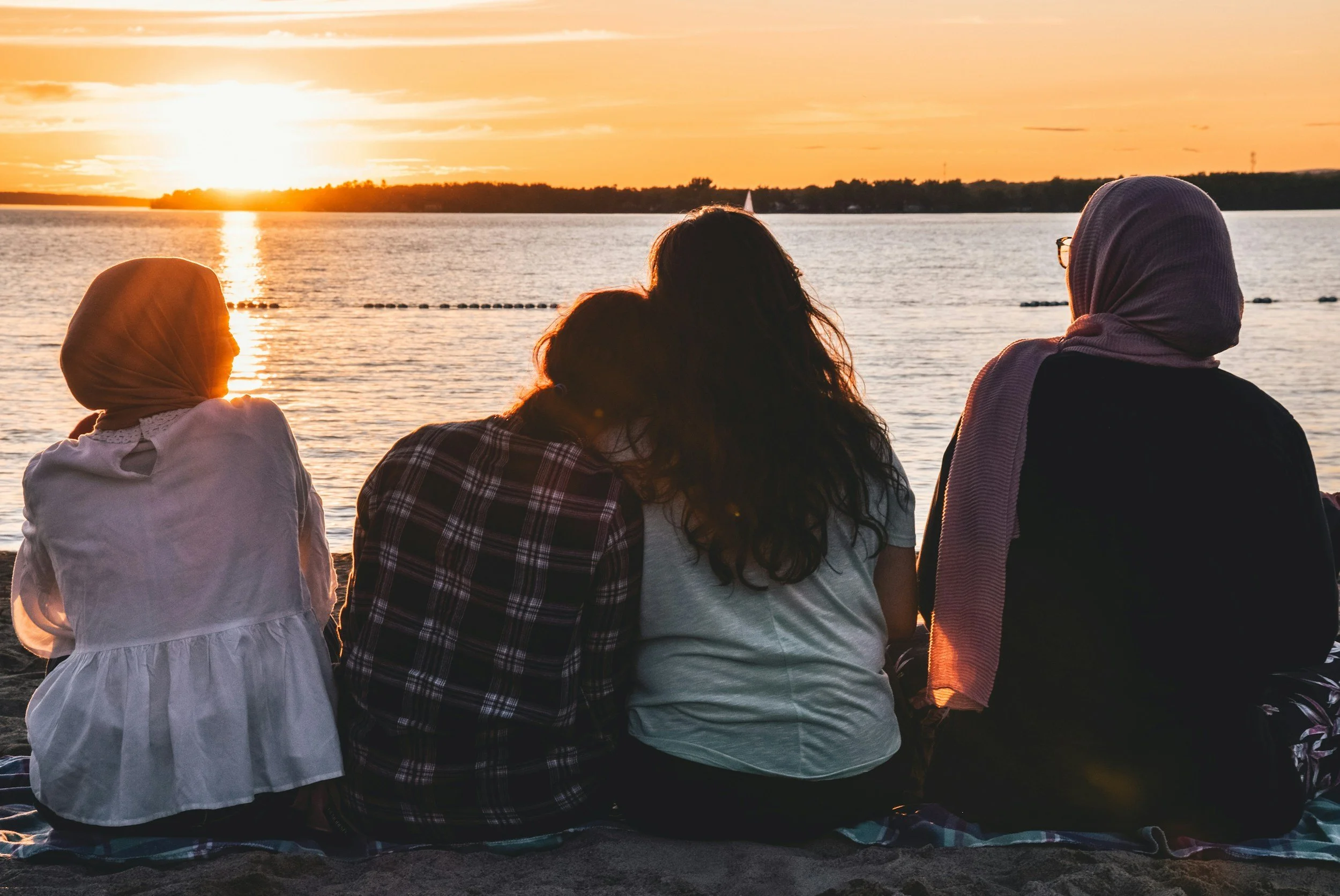
Why Adult Friendships Are So Hard to Build
If you're finding it difficult to make friends in your 20s, 30s, 40s, or beyond, here's what's actually working against you:
Proximity disappears. Psychologists have long pointed to proximity and repeated exposure as two of the biggest predictors of friendship formation. School and college practically guaranteed both. Once you're out in the working world — especially if you work remotely — those built-in, low-stakes interactions vanish.
Life stages diverge. Your friends from your twenties might be having babies while you're building a career, or vice versa. Different priorities and time constraints can quietly widen the gap between people who used to be inseparable.
Vulnerability feels riskier. As adults, we've usually been hurt by friendships before — ghosted, excluded, or let down. That history can make us more guarded, which paradoxically makes it harder to form the kind of open, trusting bond that new friendships need to take root.
Everyone assumes everyone else is busy. This is a big one. So many adults want more friends but assume other people already have "enough." That mutual assumption creates a strange social gridlock where nobody reaches out first.
It requires initiative, repeatedly. Unlike school, no one is assigning you a lab partner. Every step — inviting someone to coffee, suggesting a second hangout, initiating a group text — has to be self-generated, and each one carries a small risk of rejection.
None of this means you're failing socially. It means the environment adults live in simply isn't designed to produce friendship the way childhood was.
The Connection Between Friendship, Self-Esteem, and Mental Health
Here's where it gets important: loneliness and a lack of close friendships don't just feel unpleasant — they actively shape how you see yourself.
When you go long stretches without meaningful connection, it's common to start internalizing the loneliness as a reflection of your worth. Thoughts like "maybe I'm just hard to be around" or "something must be wrong with me" start to creep in, even when the real explanation is far more circumstantial (see: everything above). This is where self-esteem takes a hit — not because you actually lack likable qualities, but because isolation has a way of distorting self-perception.
That dip in self-esteem often feeds directly into confidence. If you don't feel good about your ability to connect with others, you become less likely to put yourself out there, which leads to even less connection — a cycle that can be hard to break on your own.
And the mental health impact goes further than self-esteem alone. Chronic loneliness has been linked to increased symptoms of anxiety and depression, disrupted sleep, and even physical health effects like elevated stress hormones. Humans are wired for connection; when that need goes unmet for too long, our nervous systems register it as a genuine threat, not just an inconvenience.
The good news is that this cycle is very treatable, and understanding why you feel disconnected is often the first step toward reversing it.
Getting Clear on Your Values (Before You Look for "Your People")
One of the most overlooked steps in building better friendships is figuring out what actually matters to you. So many of us try to make friends by casting the widest possible net — saying yes to every invite, trying to fit into every group — without ever pausing to ask: what do I actually want out of connection?
Identifying your core values can completely change how you approach friendship. Ask yourself:
Do I value deep, one-on-one conversation, or lighter, activity-based hangouts?
Am I looking for people who share my interests, my life stage, or my worldview?
Do I need friends who challenge me, or friends who feel like a calm, low-pressure space?
What boundaries matter most to me in a friendship (honesty, reliability, respecting my time)?
When you know what you value, you stop wasting energy trying to force connection with people who aren't a genuine fit, and you get much better at recognizing the people who are — often faster than you'd expect. Values also give you a filter for where to even look for friends in the first place. If community and shared purpose matter most to you, a volunteer group might serve you better than a bar trivia night. If you value intellectual connection, a book club might feel more natural than a fitness class.
This kind of self-reflection is exactly the kind of work that therapy can help you do with more clarity and less second-guessing.

Practical Ways to Make Friends and Step Outside Your Comfort Zone
Once you have a sense of what you're looking for, here are some approachable ways to start building connection:
Start small and low-stakes. You don't need to find your next best friend on the first try. Aim for "acquaintance to friendly" rather than "stranger to best friend" — it takes the pressure off.
Say yes more than you say no. It sounds simple, but consistently accepting invitations (even mildly appealing ones) puts you in front of more opportunities for connection than staying home ever will.
Join something recurring. A single event rarely builds friendship. A weekly class, a recurring group, or a regular meetup gives relationships the repeated exposure they need to develop naturally.
Be the one who reaches out. Remember that everyone assumes everyone else is busy. Break the gridlock by being the person who sends the text or suggests the coffee date. (Example: there are so many specific groups on Facebook and MeetUp to explore and connect with others).
Practice tolerating the awkwardness. New social situations feel uncomfortable because they're unfamiliar, not because something is wrong. Sitting with that discomfort — rather than avoiding it — is often the actual skill that needs building.
Consider a support group setting. Sometimes the easiest way to build connection is through a space where everyone already shares something in common. Vulnerability leads to deeper connections and a support group identifies something you already have in common with others.
Stepping outside your comfort zone doesn't mean forcing yourself into constant extroversion. It means gently expanding your tolerance for the discomfort that comes before connection — one small, manageable step at a time.
How a Better Minds Therapist Can Help
If the idea of making friends feels tangled up with old wounds, low self-esteem, or a persistent sense that "something is wrong with me," therapy can help you untangle it.
At Better Minds Counseling & Services, our therapists work with clients across Pennsylvania, New Jersey, Delaware, Maryland, and Virginia — entirely virtually, so you can do this work from wherever you feel most comfortable. Depending on what's driving your struggle with connection, your therapist might draw on approaches like:
Cognitive Behavioral Therapy (CBT) to identify and reframe the negative thought patterns that keep you from putting yourself out there
Internal Family Systems (IFS) to understand the protective parts of you that developed guardedness after past friendship hurt
Attachment-focused work to explore how early relationships shape your patterns in adult friendships
Trauma-informed care if past social rejection or exclusion has left a lasting mark
Narrative therapy to help you rewrite the story you tell yourself about being "bad at friendships"
Therapy isn't just for crisis moments. It's a space to build genuine self-understanding, work through the self-esteem and confidence struggles that isolation can create, and develop real, practical tools for showing up in your relationships differently. Whether you're navigating loneliness in the Philadelphia suburbs or connecting with us virtually from anywhere in our service area, you don't have to figure this out alone.
You Deserve Connection — Let's Talk About Getting There
Struggling to make friends doesn't mean there's something wrong with you. It means you're navigating one of the genuinely hardest parts of adult life — and it's a part that's absolutely worth getting support for.
If loneliness, low self-esteem, or a lack of meaningful connection has been weighing on you, we'd love to help. Schedule a free 15-minute introductory meeting with Better Minds Counseling & Services today, and let's talk about what building real, lasting connection could look like for you.