
Health OCD
Health OCD makes every headache, twinge, or skipped heartbeat feel like a warning sign… and sends you searching for answers on repeat.
At Better Minds Counseling & Services, we help you separate anxiety from actual signals, break the checking-and-Googling cycle, and build a calmer, more trusting relationship with your body and your health.
Understanding Health-OCD
When worry about your health takes over, healing is possible — and you don’t have to navigate it alone.
Caring about your health is a good thing. Paying attention to your body, going to checkups, and taking symptoms seriously are all part of taking care of yourself. But for people, like you, struggling with Health OCD, ordinary body sensations can feel alarming, and the need to know for sure that you’re okay can take over your days.
If you’re here because you constantly worry you have a serious illness, fear something suddenly will happen to you, check your body over and over, or feel relief after a doctor’s visit that fades within hours, you’re not alone. Health OCD is real. It is treatable. And it affects far more people than you might think.
At Better Minds Counseling & Services, our therapists specialize in helping individuals understand their Health OCD, reduce obsessive loops, move past compulsions, and live a life focused on what matters to them instead of what might be wrong.
You deserve a calmer mind, a body that feels like home, and days that aren’t run by “what if.”
What Is Health OCD?
Health OCD (sometimes called somatic OCD, health-focused OCD, or hypochondria OCD - this is a little different than health anxiety, but are related for sure) is a subtype of OCD where obsessions and compulsions focus specifically on your health: the fear that you have, or will develop, a serious illness, or that you’ll miss something important.
It often shows up as:
intrusive fears about illness
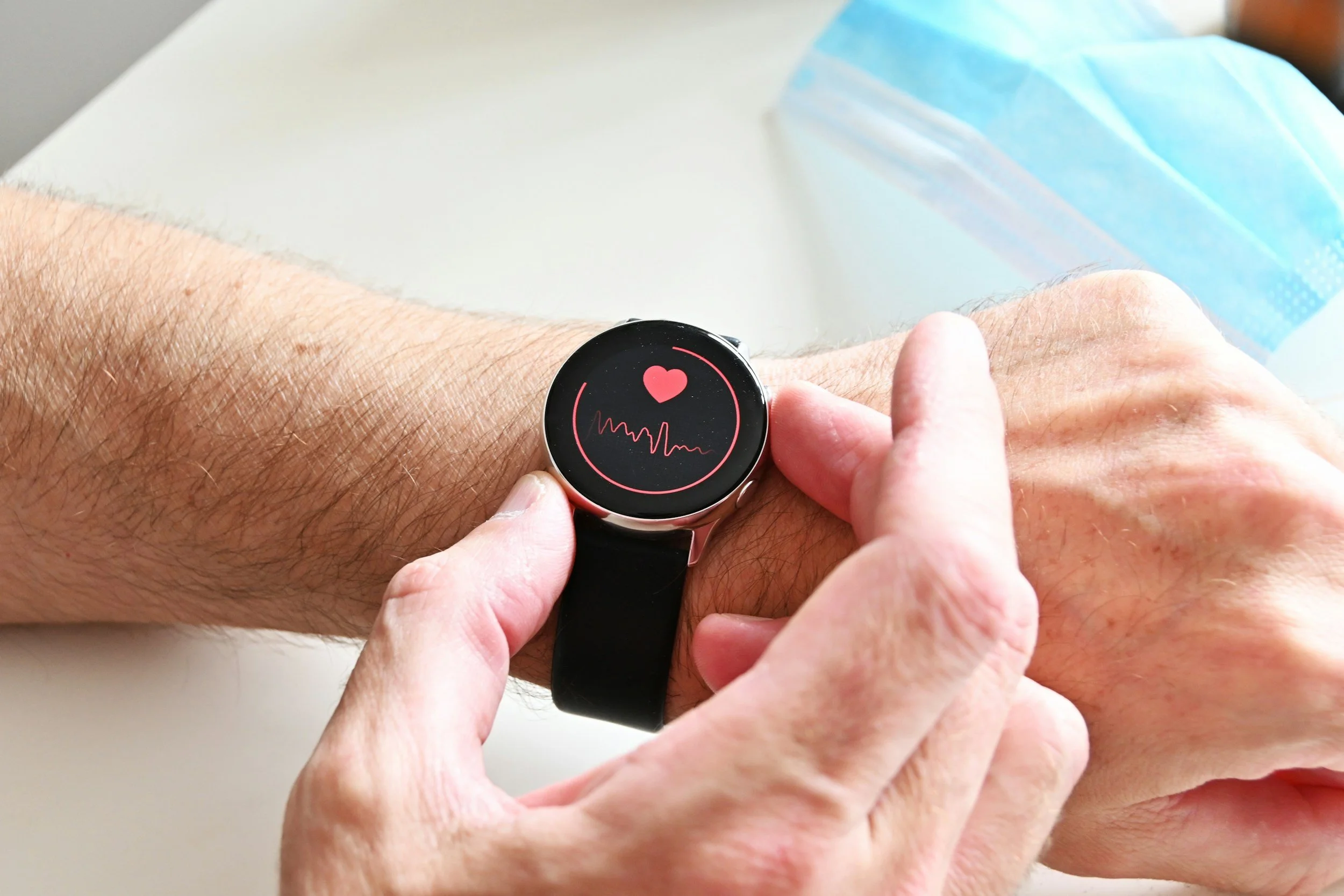
body checking and symptom scanning (including checking your temperature, pulse, HR, and blood pressure)
reassurance seeking from doctors, family, or Google
fear of “missing” something serious
difficulty trusting normal test results
avoiding doctors, hospitals, or health information
trying to achieve certainty about your health in an area where certainty doesn’t exist
Health OCD is not a sign that something is wrong with your body. It’s a sign that something is happening inside your mind… rooted in anxiety, fear, and OCD patterns.
Think of Health OCD like a car alarm that goes off every time a leaf lands on the windshield. Your brain is trying to protect you… but it’s treating every small sensation like a break-in.
(Important note: Therapy doesn’t replace medical care. If you have new or concerning symptoms, please see your doctor. Part of our work together is helping you tell the difference between appropriate medical care and checking that keeps the cycle going.)
Common Obsessions in Health OCD
These are intrusive, unwanted thoughts that feel sticky or alarming:
“What if this headache is a brain tumor?”
“What if this mole is cancer?”
“Is my heart beating normally right now?”
“Am I going to have a heart attack?”
“Is this a stroke?”
“What if the doctor missed something?”
“What if the test was wrong?”
“What if I have a disease and don’t know it yet?”
“Why do I feel tired… what if something is seriously wrong?”
“What if I caught something at the store today?”
“What if I ignore this and it’s too late?”
“What if my body is failing and no one believes me?”
“What if I pass an illness to someone I love?”
“What if I’m going to die young?”
These thoughts aren’t chosen… they intrude. Health OCD takes it to the next level compared to everyday health worries. And because Health OCD pressures you to search for certainty, your brain keeps spiraling.
Common Compulsions in Health OCD
Compulsions are the behaviors you do to decrease anxiety or “rule out” the fear. But they actually make Health OCD stronger.
Common Health OCD compulsions include:
Googling symptoms
(just one quick search… that turns into two hours of reading)
seeking reassurance from doctors, family, friends, or online forums
(“Do you think this looks normal?” asked again and again)
checking your body
(pressing on lumps, checking your pulse, looking at your throat, monitoring your breathing)
frequent doctor visits, ER trips, or requesting repeat tests
tracking health data on smartwatches or apps
mentally reviewing symptoms
comparing your symptoms to stories you’ve read or heard
avoiding doctors, test results, or anything health-related
avoiding activities that raise your heart rate or “trigger” sensations
making plans “just in case” something is wrong
Over time, compulsions turn into exhausting mental and physical rituals that keep your brain stuck in overdrive.
How Health OCD Feels in Daily Life
People with Health OCD often describe feeling:
anxious and on edge
hyperaware of every body sensation
unable to trust “you’re fine” from a doctor
embarrassed to ask for reassurance again
frustrated that loved ones don’t take their fears seriously
guilty for using time and resources on appointments
terrified of “missing” something
trapped between needing to check and wanting to stop
Many people also report:
racing heart and tight chest
dizziness or tingling (often from the anxiety itself)
trouble sleeping
stomach issues
difficulty concentrating at work or school
constant fear that something is wrong
If this sounds familiar, you’re not broken. You’re struggling with an anxiety disorder that has a name and has a treatment.
Why Health OCD Happens
Health OCD is influenced by many factors:
anxiety sensitivity
fear of uncertainty
a past health scare (yours or a loved one’s)
losing someone to illness
childhood experiences with illness or medical settings
trauma
living through the pandemic
easy access to health information online
general OCD tendencies
perfectionism and fear of making mistakes
Your Health OCD does not say anything about your strength, your intelligence, or your future. It simply means your brain is overestimating threats related to illness, your body, and the unknown.
How Better Minds Therapists Treat Health-OCD
Health OCD is highly treatable, and therapy is able to significantly reduce obsessive thoughts, compulsions, anxiety, and distress about your health.
At Better Minds Counseling & Services, treatment commonly includes:
Exposure and Response Prevention (ERP)
ERP is the gold-standard treatment for OCD, including Health OCD.
It helps you:
face health-related doubt without spiraling
reduce compulsive checking, Googling, and reassurance seeking
build tolerance for uncertainty
notice body sensations without treating them as emergencies
reconnect with your values
experience less fear around illness and medical settings
ERP teaches your brain: “I can feel uncertain about my health and still be okay.”
Instead of chasing certainty, you learn how to sit with uncertainty and trust yourself.
Cognitive Behavioral Therapy (CBT)
CBT helps you identify thinking patterns that fuel Health OCD, such as:
catastrophizing (“This cough means something terrible”)
emotional reasoning (“I feel scared, so something must be wrong”)
overestimating danger
black-and-white thinking (“If I’m not 100% sure I’m healthy, I’m sick”)
Then, CBT helps you develop healthier, more balanced thinking habits.
Mindfulness & Grounding Skills
You’ll learn how to:
slow down obsessive loops
anchor into the present moment
notice sensations without scanning or analyzing them
let your body be a body, not a problem to solve
These skills help you reconnect with your actual experiences rather than your anxious interpretation of them.
Values-Based Work
Health OCD often pulls you away from what you actually care about.
Therapy helps you rediscover:
how you want to spend your time and energy
the relationships and activities fear has taken from you
what a healthy relationship with your body looks like
what matters most to you beyond fear
Instead of making choices from panic, you begin making them from clarity.
What Therapy for Health OCD Looks Like
At Better Minds, therapy is collaborative, supportive, and tailored. You’re never judged, and you’re never rushed.
You can expect:
1. A safe place to talk honestly
Many clients say they’ve felt dismissed or embarrassed about their health worries before. When you are with a Better Minds therapist, nothing is “silly,” “dramatic,” or “too much.”
2. Learning how Health OCD actually works
Understanding the cycle helps reduce shame and overwhelm. We’ll map out how your Health OCD shows up and then create a plan together based on that understanding.
3. A personalized plan
Your therapist will help you create a structured approach to exposures, skill-building, and emotional regulation.
4. Tools you can use in daily life
You’ll learn practical strategies for managing triggers, body-checking urges, and the pull to search online.
5. Repairing trust with yourself and your body
Over time, you’ll learn to trust your body and your judgment instead of your intrusive thoughts.
Signs You Might Be Struggling With Health OCD
You may be experiencing Health OCD if you:
constantly worry you have a serious illness
feel only brief relief after a normal test result or doctor visit
check your body or vital signs repeatedly
spend a lot of time researching symptoms online
ask others for reassurance about your health again and again
avoid doctors or test results out of fear
interpret normal sensations as signs of disease
feel like you “can’t let it go” until you’re certain
notice health worries taking time away from work, school, or loved ones
You might also notice emotional cycles: sensation → fear → checking or Googling → temporary relief → doubt → fear again.
If this resonates, it’s not your fault… Health OCD is a pattern your brain learned, and therapy can help you unlearn it.
How Health OCD Impacts Your Life
Health OCD can create:
strain in relationships when loved ones feel worn down by reassurance
missed work, school, or plans
time and money spent on appointments and tests
avoidance of exercise, travel, or activities you love
difficulty enjoying the present moment
guilt or shame
exhaustion from constant monitoring
But here’s the good news: Treating your Health OCD often helps you take better care of your health… not worse.
When fear stops running the show, you can make health decisions with clarity and get back to living your life.
What You Can Do If You Think You Have Health OCD
Here are steps many clients find helpful:
1. Stop trying to “rule it out” in your mind
The more you research and analyze, the more stuck you become. While it feels like one more search will finally give you peace… it usually leaves you more spiraled and more “lost in the sauce.”
2. Learn to notice compulsions
Awareness helps break the cycle. Notice when you reach for your phone, your pulse, or a mirror.
3. Practice tolerating uncertainty
Not knowing for sure doesn’t mean something is wrong. It means you’re human. No one, not even your doctor, can guarantee perfect health.
4. Talk to a therapist who understands Health OCD
Not all therapists are trained to treat OCD subtypes, but Better Minds therapists are. We use evidence-based treatments that directly address Health OCD patterns.
5. Remember: Your fears don’t define your health
A body sensation is information — not a diagnosis.
You Don’t Have to Navigate Health OCD Alone
Health OCD can feel isolating. You might feel embarrassed, dismissed, or like you can’t trust your own body. But Health OCD is highly treatable, and with the right therapist like at Better Minds, you can experience relief, clarity, and peace of mind again.
At Better Minds Counseling & Services, we provide:
compassionate, nonjudgmental support
specialized knowledge of OCD and its subtypes
tailored ERP and CBT treatment
support for deeper emotional patterns, including grief and past health scares
a space to reclaim trust in yourself and your body
You deserve a body that feels safe to live in, and a mind that lets you enjoy your life.
Take the First Step Toward Relief
If Health OCD is taking over your thoughts, your time, or your peace of mind, help is available.
You don’t have to keep checking.
You don’t have to keep Googling.
You don’t have to keep feeling alone in this.
Health OCD is treatable — and you can feel better. Let’s walk this path together.
Connect with a Better Minds therapist today… and begin building healthier thought patterns, a calmer relationship with your body, and a more grounded sense of self.
Frequently Asked Questions About Health OCD
-
Health anxiety is a broad term for persistent worry about being or getting seriously ill. When that worry is driven by intrusive, unwanted thoughts and repetitive behaviors like checking, Googling, or reassurance seeking, it often follows an OCD pattern. A therapist trained in OCD can help you understand what you’re experiencing and which treatment fits.
-
Hypochondria is an older term that’s no longer used as a diagnosis. Today, clinicians may use terms like illness anxiety disorder or somatic symptom disorder, and some people’s health fears are best understood as a subtype of OCD. These overlap, and they respond well to similar evidence-based treatments like ERP and CBT.
-
Yes. Health OCD and anxiety can happen alongside real medical conditions, and it can make managing them harder. Therapy doesn’t replace medical care. It helps you follow your doctor’s guidance without getting pulled into excessive checking, avoidance, or fear.
-
No. The goal isn’t to avoid medical care; it’s to get appropriate care without it becoming a compulsion. Your therapist can help you figure out what healthy follow-through looks like for you.
-
Yes. Better Minds Counseling & Services is a virtual practice offering therapy to clients in Pennsylvania, New Jersey, Maryland, and Virginia.
-
Complete the form on the Better Minds Counseling & Services Contact page. Our admin team will reach out to schedule a free intro consultation with your best-matched therapist.
Now What?
Here are the next steps to starting therapy today!

-
Complete the form on the Contact page.
-
Better Minds admin will email you to schedule an intro meeting with your preferred/best matched therapist.
(What is an intro meeting? Some therapists call this a consultation or consult call. It is a free 15-minute meeting with a therapist to discuss what is bringing to seek therapy, how that therapist works in therapy appointments, and any questions you may have).
-
You will have the intro meeting with your therapist and schedule your first appointment.
-
After your intro meeting, Better Minds admin will email you the initial paperwork (consents, etc.) to review before your first appointment.